
How Do Casinos Sponsor Esports Teams?
In the high-stakes arena of competitive gaming, the convergence of casino sponsorship of esports teams has become a dominant force reshaping both industries. This is not mere logo placement; it is a sophisticated, multi-layered financial and marketing apparatus. 🎮 Let us dissect the precise mechanisms, contractual architectures, and strategic imperatives driving this lucrative symbiosis.
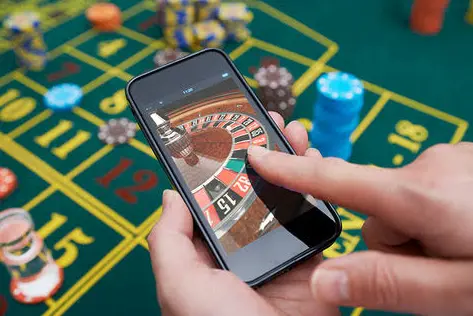
The Structural Anatomy of a Sponsorship Deal
At its core, a casino-esports sponsorship is a bilateral value exchange governed by performance-based contracts. The typical deal encompasses several revenue streams: direct cash infusion for operating budgets, jersey and streaming overlay branding rights, affiliate commission models tied to referred traffic, and performance bonuses linked to tournament placements. The legal frameworks vary wildly by jurisdiction, requiring meticulous compliance with gambling advertising standards, age-gating protocols, and responsible gaming disclosures. Operators like Betway, 888 Holdings, and Entain have pioneered these structures, often establishing dedicated esports divisions to manage activation and ROI tracking.
Why Casinos Pursue Esports Partnerships
The demographic overlap is the strategic linchpin. Esports audiences skew heavily toward males aged 18-34, a cohort with high digital engagement and disposable income—precisely the profile casinos covet. Unlike traditional sports sponsorships, esports offers granular data analytics, allowing casinos to measure conversion from viewer to depositor with unprecedented precision. Furthermore, the global reach of platforms like Twitch and YouTube Gaming enables a single sponsorship to penetrate multiple regulated markets simultaneously. 💰 The branding synergy is potent: both sectors thrive on adrenaline, competition, and risk-reward dynamics.

Activation Strategies and Fan Engagement
Effective sponsorships transcend static logos. Casinos deploy integrated campaigns: sponsored streamer segments, exclusive in-game items, VIP experiences at major LAN events, and co-branded betting markets on esports match outcomes. For instance, a team might wear jerseys featuring a casino's insignia while its players stream on a platform where viewers can place micro-bets on live match metrics. This creates a closed-loop ecosystem where fandom translates directly into wagering activity. The most sophisticated operators utilize predictive modeling to tailor odds and promotions to specific team fanbases.
Regulatory Hurdles and Responsible Gambling Mandates
This arena is fraught with legal complexity. In markets like the United States, the Wire Act and individual state gaming commissions impose strict advertising guidelines. Sponsorships must avoid targeting minors, often requiring age verification gates on co-branded content. European regulators, particularly in the UK and Sweden, mandate prominent responsible gambling messaging within any esports-related promotion. Failure to comply can result in seven-figure fines and forced dissolution of the partnership. Consequently, top-tier teams now employ compliance officers to vet every sponsorship clause. 🛡️
The Financial Ecosystem and Future Trajectory
Prize pools and salaries are increasingly underwritten by casino capital. A single Tier-1 sponsorship can inject millions annually, funding coaching staff, boot camps, and player acquisitions. In return, the casino gains access to a hyper-engaged audience and valuable first-party data. We are now witnessing the emergence of equity-based deals, where casinos take minority stakes in team organizations, aligning long-term incentives. As esports matures into a mainstream entertainment vertical, expect casino sponsorship models to evolve into full-fledged media rights packages, blurring the lines between wagering platform, broadcast network, and team owner. The smart money is already all-in. ♠️