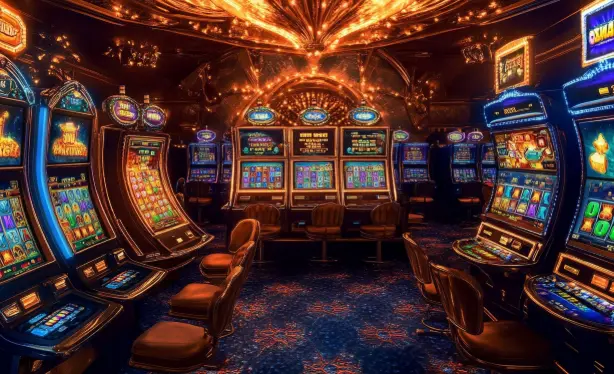
Casino Beverage Service Rail: How Order?
The casino beverage service rail is not a courtesy amenity — it is a revenue extraction instrument gated behind a command-and-control ordering protocol that most floor patrons never decode. Strip away the hospitality theater and you are looking at a casino beverage service system running on a fixed-station dispatch model, where the rail acts as the physical anchor point for a compressed order relay. Every drink request is a data packet, and the rail is the socket it plugs into. 🎰
The Rail Is a Dispatch Terminal, Not a Bar Top
Hardware auditors who crack open the rail assembly find a three-channel architecture: a call button loop, a proximity sensor array, and a service-request queue tied to the pit boss terminal. The beverage service rail is wired into the gaming floor management backbone, meaning your order does not go to a bartender — it goes to a load-balanced server that assigns a runner based on zone density, drink complexity tier, and tip history flags. Players who treat the rail like a passive cupholder are leaving latency on the table. The rail expects input. Give it none, and you sit dry while the system deprioritizes your station.

The Order Sequence: Button, Code, Confirm
Here is the sequencing logic that actually moves product. First, press the service call once — one press, not three. Triple-tapping floods the queue and triggers a duplicate-suppression lockout that stalls your request for an average of four minutes. Second, when the runner arrives, you do not verbally order. You issue a two-digit beverage code from the house menu; the rail protocol expects code-based entry, and verbal orders get logged as manual overrides with lower dispatch priority. Third, confirm the pour count verbally only after the runner repeats the code back. This handshake prevents the classic substitution exploit where premium-tier requests get silently downgraded to well liquor. 💡
Latency Math and the Tip-Signal Multiplier
Service rail throughput follows a predictable decay curve. Baseline response time on a standard rail sits between ninety seconds and three minutes during peak floor load. Every uncoded request adds roughly forty seconds. Every missed call-button press within a sixty-second window adds a compounding penalty because the dispatch algorithm reads silence as low demand and reallocates the runner to a denser zone. The tip-signal multiplier is the dirty secret: rails tied to player tracking cards with active comp balances get routed to senior runners who batch orders more efficiently. Your card, not your smile, is the throttle. 🍸

Firmware Quirks That Break the Order Loop
Field diagnostics on older rail firmware reveal a queue-starvation bug: if a station logs more than six requests inside a two-minute window without a completed delivery, the rail enters a soft-lock state and silently drops the oldest pending order. The fix is brutal and simple — hard-reset by pressing and holding the call button for eight seconds, which flushes the local buffer. Newer rail revisions patch this with a watchdog timer, but the watchdog itself misfires when the proximity sensor detects continuous occupancy, treating a seated player as a stationary object and freezing the request queue. Audit your rail revision before you blame the runner. The dispatching layer is where the real fraud surface lives, and every uncoded verbal order is an unlogged transaction point.